
Dubai Speed Limit & Fine: Know Before You Go!
In Dubai, it’s crucial to follow the traffic rules to stay safe on the road. The police closely monitor things like speed limits and use cameras to keep an eye on drivers.
Whether you are driving fast on the highways or stuck in traffic, it is important to drive by the rules. In this guide, we will talk about the overspeeding fines and discuss the Dubai speed limit and why following traffic laws is important.
RTA has also implemented a number of new enforcement changes in 2026, such as new regulations for delivery riders, new truck timing restrictions on major highways, and a completed round of 67 rapid road upgrades, which we’ve included below.
So let’s learn how to drive safely in this busy city!
Table of Contents
What Is The Maximum Speed Limit In Dubai?
When driving in Dubai, knowing the speed limits is key to staying safe on the road. Most roads in Dubai have a maximum speed limit of 110 to 120 km/h, with a little leeway of 20 km/h.
This is similar to other emirates, except for Abu Dhabi. But remember, speed limits can change depending on where you are in the city.
So, keep an eye out for signs and stay within the limits to avoid overspeeding fines in Dubai and ensure a safe journey.
Since Jan 2025, Emirates Road truck timing: Trucks are now prohibited from using Emirates Road (between Al Awir Road and the Sharjah direction) during peak evening hours (5:30 PM to 8:00 PM). RTA reports this has helped cut traffic incidents on Emirates Road from 75 in 2024 to 37 in 2025, and pushed average speeds up by as much as 26 km/h on Emirates Road and 19 km/h on Sheikh Mohammed Bin Zayed Road.
The pedestrian crossing rule, which was introduced in Federal Decree-Law No. 14 of 2024, prohibits pedestrians from crossing any road that has a speed limit higher than 80 km/h, unless they are crossing at a pedestrian crossing bridge, tunnel or marked crossing. This applies to many of the higher speed roads in the table above (such as Al Khail, Emirates, Sheikh Zayed).
Below is the speed limit chart for different roads in Dubai:
| Street Name | Lane | Max Speed Limit (km/h) |
| Al Nahda | 4/3 | 80 |
| Damascus | 3 | 80 |
| Al Quds | 4 | 80 |
| Tunisia | 3 | 80 |
| Sheikh Khalifa | 3 | 70 |
| Amman | 3/2 | 80/60 |
| Al Minaa | 4/3 | 80 |
| Beirut | 4/3 | 80 |
| Zaabeel second | 2/3 | 80 |
| Sheikh Zayed bin Hamdan Al Nahyan | 2/3 | 100/80 |
| Airport Tunnel-Beirut | 4 | 80 |
| Tripoli | 3/2 | 100/90 |
| Al Jumeira | 2 | 70 |
| Nad Al Shiba | 2 | 70 |
| Al Wasl | 3/2 | 70 |
| Baghdad | 3/2 | 80/70 |
| Um A Sheef | 2 | 70 |
| Al Manarah | 2 | 70 |
| Al Athar | 2 | 70 |
| Al Thunaya | 2 | 70 |
| Al Hadeeqa | 3/2 | 70 |
| Al Seif | 3/2 | 70 |
| Al Orouba | 3/2 | 70 |
| Towers | 3/2 | 70 |
| Muscat | 3/2 | 80 |
| Al Khail | 5 | 100 |
| Al Yalayes | 2 | 120/100 |
| Al Aweer | 2 | 100 |
| Emirates | 6 | 110 |
| Mohammad Bin Zayed | 2 | 110 |
| Expo | 7/6 | 100 |
| Al Ittihad | 4/3 | 100 |
| Ras Al Khor | 5/4 | 100 |
| Sheik Zayed | 4/3 | 120/100 |
| Al Rabat | 6 | 100 |
| Al Khawaneej | 5/4 | 100 |
| Al Amardi | 4/3 | 90/80 |
| Sheik Rashid | 3/2 | 100 |
| Hatta Main | 6/5 | 100/80 |
| Al Khaleej | 4/3 | 80 |
| Airport | 4/3 | 80 |
| Nad Al Hamar | 5/3 | 80 |
| King Salman Bin Abdulaziz (ASoufouh pervious) | 3 | 70 |
| Al Soufouh 2 | 2 | 70 |
| Oud Metha | 4/3 | 80/60 |
| Um Hurair | 3 | 80 |
| Um Suqaim | 4/3 | 90 |
| Al Mankhoul | 2 | 80 |
| Al Manama | 3/2 | 80 |
| Al Maidan | 4/3 | 100/80 |
| Casablanca | 4/3 | 70 |
| Hessa | 5/4 | 100/80 |
| Al Mafraq | 3/2 | 70 |
| Dubai Financial | 5/4 | 80 |
| Al Qudra | 2 | 100 |
| Algeria | 3/2 | 80 |
| Tunisia | 3/2 | 80 |
| Dubai-Al Ain | 4/3 | 120/100 |
| Al Asayel | 3 | 80/70 |
| Qarn Al Sabkhah | 3 | 80 |
| Jumeira Palm | 2 | 60 |
| Seeh Shuaib | 3 | 80 |
Overspeeding Fine In Dubai
In Dubai, overspeeding is a common issue. Due to strict traffic rules fines can range from AED 300 to AED 3,000, and your car could be impounded if you exceed the speed limit by more than 60 km/h. To keep everyone safe, the Dubai Police use radars and cameras to monitor speeds.
RTA and Dubai Police have announced new lane-use rules for delivery riders. In addition to the lane discipline rules, riders who are caught exceeding the speed limit of 100 km/h on a road with a 100 km/h speed limit will be fined between AED 200 and AED 400.
Consequences of Overspeeding In Dubai Speed Limit
When you drive too fast in Dubai, it’s a big deal, and you could face some serious consequences including a fine for overspeeding in Dubai and vehicle confiscation. Here is a friendly rundown of what happens if you exceed the speed limit:
| Violation Description | Fine Amount | Black Points | Vehicle Confiscation Period |
| Driving at a speed exceeding 80 kilometers per hour | 2000 AED | 12 | 30 days |
| Speeding by over 60km/h | 2000 AED | 12 | 30 days |
| Going beyond the speed restriction by a maximum of 60 kilometers per hour. | 1500 AED | 6 | 15 days |
| Driving up to 50km/h over the speed limit | 1000 AED | – | – |
| Going up to 40km/h over the speed limit | 700 AED | – | – |
| Speeding by up to 30km/h | 600 AED | – | – |
| Driving at a speed 20km/h above the limit | 300 AED | – | – |
| Failure to obey traffic policeman’s instructions | 400 AED | 4 | – |
How To Avoid Overspeeding Fines in Dubai?
It’s important to know the difference between the ‘speed limit’ and ‘maximum speed limit’ to avoid fines in Dubai. In Abu Dhabi, they’re the same, but in other emirates, it’s the speed limit plus 21 km/h.
Consequently, Dubai Police have updated speed limit information for major roads to prevent confusion. The Highways have a maximum speed limit of 120 km/h, with radar set at 141 km/h. While the other main roads have a limit of 100 km/h, with a radar set at 121 km/h. Always follow posted speed limits for safe driving.
On January 28, 2026, RTA announced the completion of 67 rapid traffic improvement measures in Dubai, including lane widening, intersection upgrades, and bridge expansions, which will reduce travel times by up to 45% and increase road capacity by up to 33% in various areas, such as Sheikh Zayed Road leading to Al Meydan Street. There are over 45 other measures planned at these locations for the remainder of 2026, so drivers should be prepared for speed limit signs and lane configurations to continue to change.
Here are a few tips for avoiding overspeeding fines in Dubai:
- Plan your route and familiarize yourself with speed limits along the way.
- Invest in a reliable GPS device or download offline maps with speed limit displays for added awareness.
- Pay attention to road signs and markings indicating changes in speed limits.
- Be mindful of weather conditions that may require slower driving, such as fog or rain.
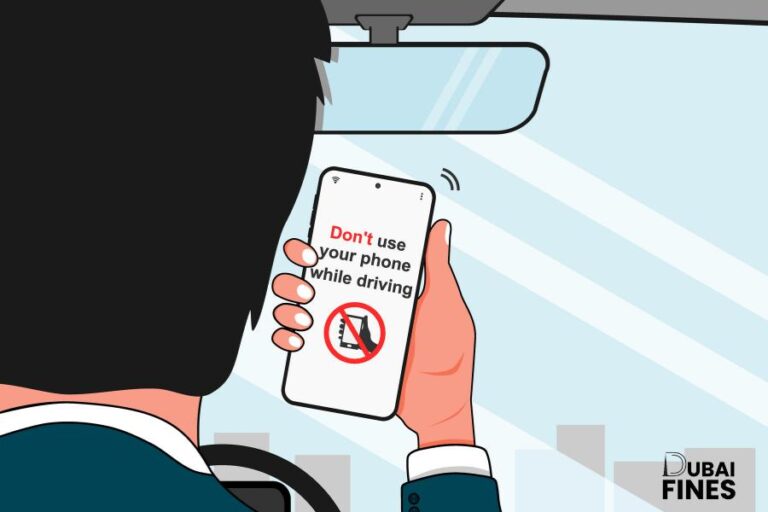
- Stay focused while driving and avoid using your phone or chatting with others.
- Take advantage of cruise control features in modern cars to maintain a steady speed.
- Consider using speed warning apps to alert you when exceeding the limit.
- Be aware of fixed-speed cameras throughout Dubai and use them as reminders to maintain safe speeds.
- Maintain a safe distance from other vehicles to avoid sudden braking and potential speeding.
- Practice patience and prioritize safety overreaching your destination quickly.
Conclusion
It’s important to follow the speed limits in Dubai to stay safe on the roads. Remember that breaking rules can lead to overspeeding fines in Dubai and even losing your vehicle. As RTA continues to implement new rules for riders, new truck restrictions and new road upgrades, it is just as crucial to know the base speed limits as it is to know the latest changes. Thus, knowing the rules, avoiding distractions, and driving carefully, can help keep everyone safe.
FAQ’s
What is the Slowest Speed Limit on Dubai Roads?
The slowest speed limits on roads are 30 mph (48 km/h) in urban areas and 35 mph (56 km/h) on unpaved roads. Driving below these limits can slow down traffic and be unsafe.
What penalty is imposed for driving too slow in Dubai?
The fine for slow driving in Dubai, including the fast lane, is Dh400. This penalty applies across the UAE to ensure smooth traffic flow and safety on the roads.
How much grace speed is allowed in Dubai?
The grace speed limit in Dubai ranges from 20 km/h to 30 km/h providing a buffer zone between actual speed limits and potential fines. Understanding this concept helps drivers gauge their speed and avoid penalties for safe driving.
Are there speed cameras in Dubai?
Yes, Dubai has speed cameras placed along highways and major roads. These cameras use radar technology to measure vehicle speed, aiding Dubai Police in enforcing speed limits and promoting road safety.
How to speeding fine in Dubai?
You can check the Dubai Police website or RTA app using your license, vehicle information, or plate number. Another option is to visit a police station or call 999/800 4253. Take prompt action to avoid additional fees and possible vehicle impoundment.